Benin eVisa Application Guides
Learn how to apply for a Benin eVisa, understand the application process, and prepare the required documents for a smooth travel experience.
Benin-evisa-application-guidesBenin rewards travelers who are looking for more than a quick checklist of famous stops. The country combines coastal atmosphere, memorial history, city energy, local markets, museums, spiritual heritage, and slower cultural discovery in a way that feels layered and memorable. This guide introduces the top places to visit in Benin while helping travelers connect destination inspiration with practical Benin eVisa planning.
Explore helpful travel articles, visa updates, and practical guidance for planning your trip to Benin. Our Benin eVisa Travel Blog gives travelers the latest information on entry requirements, application steps, travel tips, and destination insights.
Learn how to apply for a Benin eVisa, understand the application process, and prepare the required documents for a smooth travel experience.
Benin-evisa-application-guidesCheck Benin visa requirements for different nationalities, including document checklists, eligibility details, and important application notes.
Benin-visa-requirementsStay informed with travel advice, border entry updates, and useful tips to help you prepare before arriving in Benin.
Benin-travel-tips-entry-updatesDiscover popular attractions, cultural landmarks, and must-see destinations for travelers visiting Benin.
Top-places-to-visit-in-beninThis page is written for travelers who want to build a stronger Benin itinerary. It highlights major destinations, explains why they matter, and helps readers think about how to combine them into a trip that feels balanced rather than rushed.
This page is optimized around a broad group of destination and planning searches, including top places to visit in Benin, Benin tourist destinations, Benin travel guide, Cotonou attractions, Ouidah travel guide, Porto-Novo attractions, Benin museums, Benin beaches, Benin cultural travel, and Benin eVisa travel planning. This makes the content more useful for readers and more relevant to a wider range of search behavior.
Benin is one of those destinations that becomes more rewarding the more intentionally it is explored. Instead of offering only one dominant attraction, the country provides several different kinds of travel experiences that work together: city markets, coastal spaces, memorial history, museums, spiritual sites, and slower cultural discovery. This gives travelers more freedom to build a trip that reflects their interests rather than following only one obvious path.
For some visitors, the strongest appeal is history. Ouidah and the wider legacy of the Atlantic slave trade bring a powerful sense of place and memory that few destinations can offer in the same way. For others, the attraction lies in city energy and everyday movement, especially in Cotonou. For still others, the appeal is the quieter side of Benin, where museums, beaches, lakes, and community-based travel slow the pace and deepen the experience.
That variety is exactly what makes Benin a strong travel destination. It supports short visits, long cultural itineraries, and destination pages like this one that need to capture several dimensions of the country without sounding repetitive. A well-written page about Benin should reflect that range, because travelers themselves are rarely looking for only one thing.
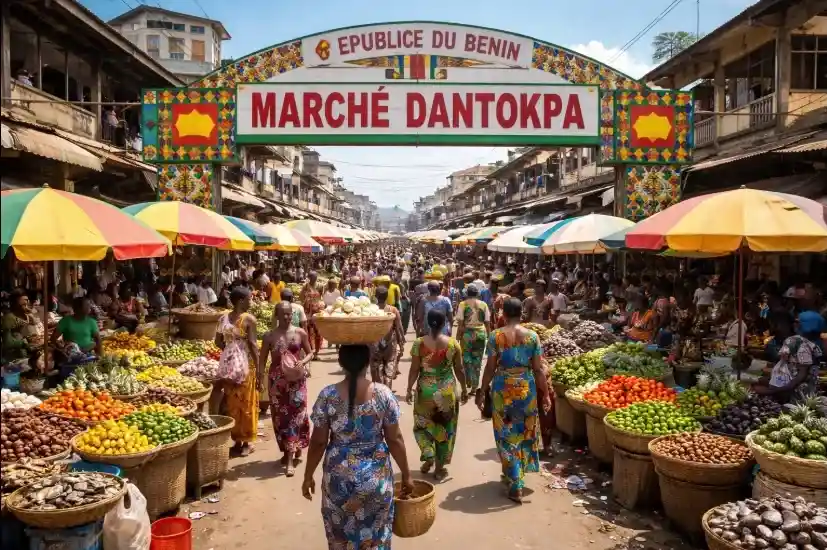
Cotonou is often the first point of arrival and one of the most dynamic places in Benin. Dantokpa Market adds immediate contact with the energy, scale, and texture of city life.
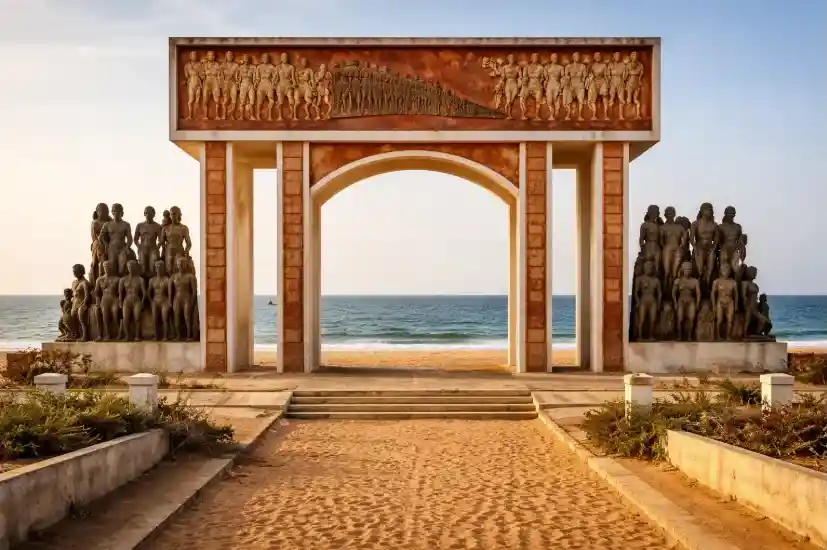
Ouidah is one of Benin’s most important cultural destinations, known for memorial history, spiritual heritage, and a coastal atmosphere that invites reflection.

This site reveals the spiritual and symbolic depth of Ouidah, showing travelers that Benin’s cultural identity is complex, active, and not limited to one historical narrative.
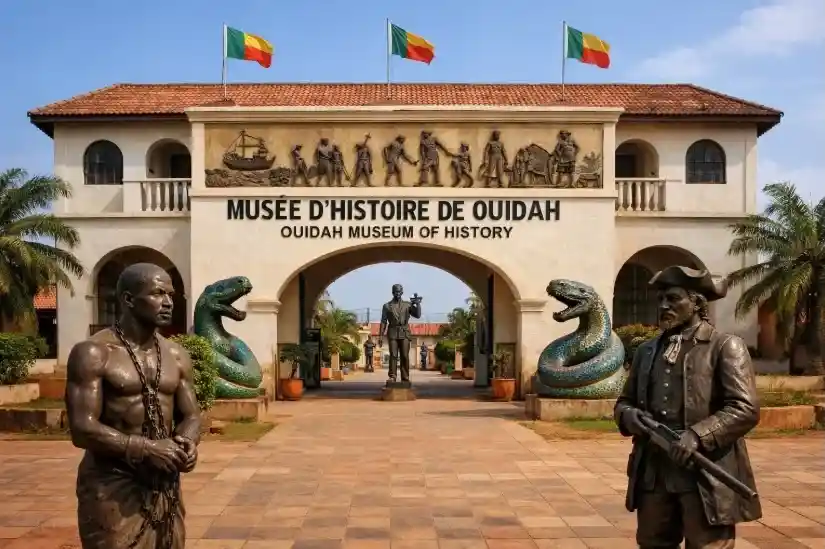
A strong museum stop for travelers who want context, interpretation, and a deeper understanding of the human history surrounding the region.
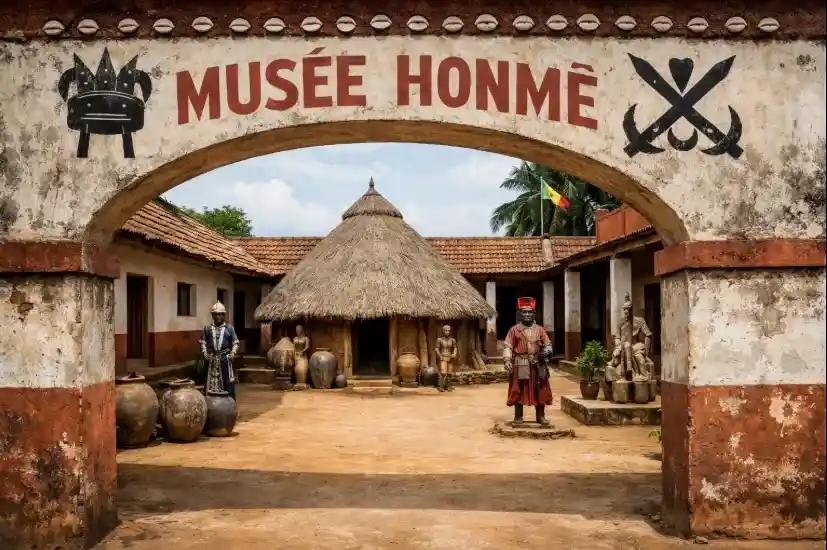
Porto-Novo offers a calmer, museum-rich perspective on Benin and works especially well for travelers who enjoy slower capital-city exploration.

Coastal stops add leisure, sea air, and contrast to a Benin itinerary, especially after dense market visits or emotionally heavy heritage experiences.

Nature-based experiences widen the trip beyond cities and monuments, helping visitors understand landscapes, local communities, and slower forms of travel.
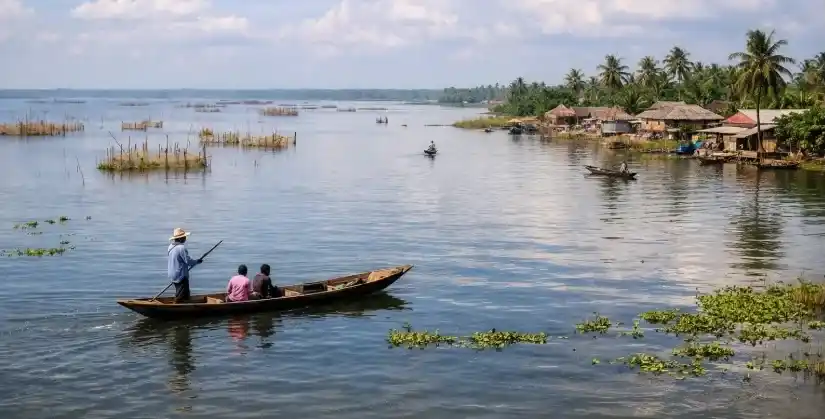
Lakeside travel adds calm, visual relief, and a scenic dimension to itineraries focused on history and urban discovery.
The right Benin itinerary depends less on “must-see” pressure and more on what type of traveler you are. If you prefer city energy and local movement, Cotonou should be central to your route. If your interests lean toward history and remembrance, Ouidah deserves more time. If you enjoy museums and slower capital-city discovery, Porto-Novo adds important depth. If you need scenic breathing space, beaches and lake areas help create that balance.
That is why a strong Benin itinerary usually mixes emotional tones rather than focusing only on one category. Too much time in busy commercial spaces can become tiring. Too much time in purely reflective heritage spaces can feel emotionally heavy without contrast. The most rewarding journeys in Benin combine movement, pause, memory, and atmosphere.
Travelers should also consider how much time they actually have. A shorter trip should focus on fewer places with more coherence. A longer trip can include scenic or museum-based additions that make the overall experience richer and more distinctive.
One of the easiest and most effective route structures is to begin in Cotonou, where arrival logistics are more natural, then move toward Ouidah for history and coastal reflection, then add Porto-Novo or a museum-focused stop for slower cultural interpretation. Scenic or ecotourism locations can then give the itinerary a lighter or more contemplative finish.
This works because the trip gains rhythm. Cotonou provides movement. Ouidah provides emotional and historical depth. Porto-Novo provides interpretation. Scenic stops provide space. When these elements are arranged thoughtfully, the trip feels intentional instead of fragmented.
For travelers using the Benin eVisa pathway, this kind of route thinking is also practical. It helps transform the visa from a standalone administrative task into one part of a complete trip structure. The stronger the route planning, the easier the rest of the preparation tends to feel.
Once travelers know where they want to go, the next step is usually practical preparation. These internal pages help connect destination inspiration with visa planning and trip readiness.
A natural next step for readers who already know they want to visit Benin and want to connect destination ideas with visa planning.
Useful when travelers are ready to turn inspiration into an actual online application and structured trip preparation.
Helpful for document readiness once the destination decision has already been made.
Supports later-stage planning and helps travelers align destination research with practical departure timing.
Useful for building arrival logic once travelers know which parts of Benin they want to prioritize.
Continue exploring related destination and planning content to deepen your Benin itinerary ideas.
Once you know the top places you want to visit, the next step is to organize your travel dates, entry planning, and visa application with confidence. A strong destination plan works best when it is paired with clear preparation.