Benin eVisa Application Guides
Learn how to apply for a Benin eVisa, understand the application process, and prepare the required documents for a smooth travel experience.
Read MoreThis Benin travel guide is designed for travelers who want more than a simple list of attractions. It combines destination inspiration, practical planning, cultural context, and rich original content to help visitors understand what makes Benin memorable, meaningful, and easier to explore with the right travel documents in place before departure.
Planning a journey to West Africa becomes easier with a clear and reliable Benin eVisa online guide. Travelers visiting Benin for tourism, short stays, or cultural discovery often look for simple visa information, entry preparation tips, and inspiration for what to see after arrival. This page helps visitors understand the basics of the Benin eVisa process while also exploring top tourist destinations in Benin, local traditions, heritage sites, and meaningful cultural travel experiences.
Explore helpful travel articles, visa updates, and practical guidance for planning your trip to Benin. Our Benin eVisa Travel Blog gives travelers the latest information on entry requirements, application steps, travel tips, and destination insights.
Learn how to apply for a Benin eVisa, understand the application process, and prepare the required documents for a smooth travel experience.
Read MoreCheck Benin visa requirements for different nationalities, including document checklists, eligibility details, and important application notes.
Read MoreStay informed with travel advice, border entry updates, and useful tips to help you prepare before arriving in Benin.
Read MoreDiscover popular attractions, cultural landmarks, and must-see destinations for travelers visiting Benin.
Read MoreThis page is intentionally built as a comprehensive blog-style landing page. It is written to support search visibility for Benin travel, Benin tourist destinations, and Benin eVisa online planning, while still being genuinely useful for real travelers looking for ideas and structure.
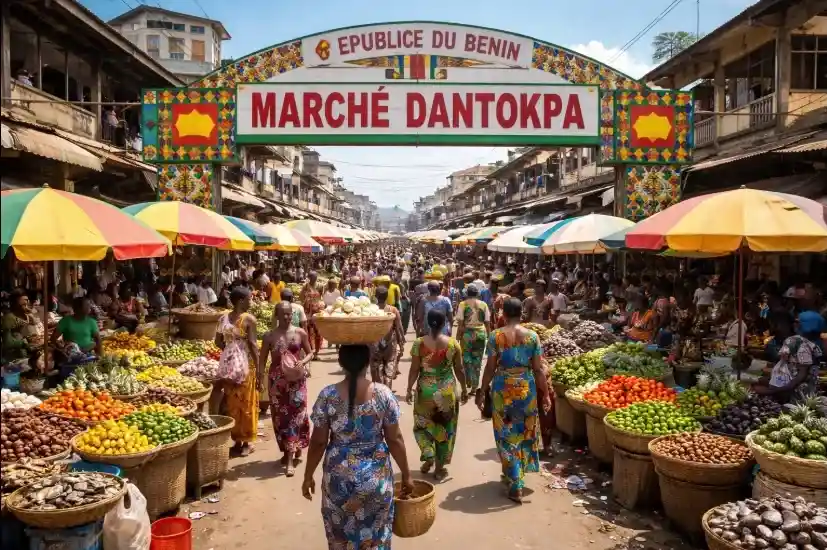
Explore why large urban spaces such as Dantokpa Market are not just shopping zones, but gateways into the rhythm, scale, and social texture of contemporary Benin.
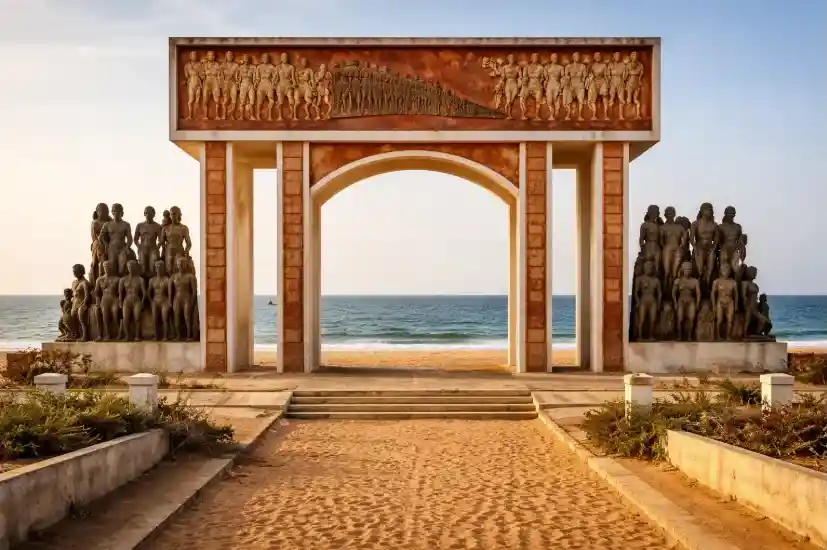
A reflective stop for travelers seeking historical depth, memory, and a meaningful coastal setting.
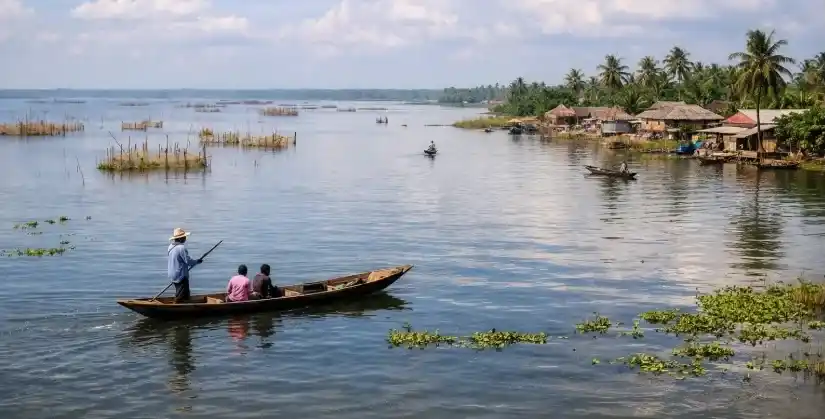
Balance museums and markets with scenic waterside stops that give the itinerary room to breathe.
This page is optimized around a natural set of search intents instead of repeating the same phrase unnaturally. That includes Benin travel blog, Benin tourist destinations, Benin eVisa online, Benin visa requirements, Cotonou attractions, Ouidah travel guide, Porto-Novo museums, Benin beaches, Benin cultural travel, and Benin entry planning. Grouping related topics like this helps the page target broader search behavior while keeping the writing readable and useful.
Benin is one of those destinations that often surprises travelers because its strengths are not always presented in a conventional, postcard-driven way. Instead of relying on only one famous monument or one ultra-commercial tourism district, Benin offers a layered travel experience built on atmosphere, memory, heritage, religion, architecture, markets, coastlines, and everyday human encounters. That gives the country a depth that many visitors appreciate long after the journey ends.
For travelers researching Benin tourist destinations, the appeal usually begins with curiosity. Some people arrive because they want to understand the history of the former Kingdom of Dahomey. Others are drawn by Ouidah and the emotional weight of the Atlantic slave trade route. Some simply want a West African coastal break with culture, music, food, and local movement. What makes Benin special is that all of these motivations can fit naturally into a single route without feeling forced.
The traveler experience in Benin is shaped by contrast. Cotonou feels commercial, fast, and social. Ouidah feels reflective, spiritual, and historically powerful. Porto-Novo tends to feel more intimate and museum-focused, giving a different window into the country’s story. Nearby natural areas, beaches, and water landscapes soften the pace further and create breathing space between more intense heritage visits. This contrast is useful not just for tourism variety but also for storytelling, which matters when you are building a rich, Benin travel-friendly Benin travel blog page that travelers may actually spend time reading.
Another reason Benin stands out is that the country invites slower attention. A traveler can enter a market and find not only products but urban rhythm, social structure, negotiation culture, and street-level movement. A museum visit can become more than a stop for photographs because the context is still present in daily life. Even beach destinations in Benin often feel connected to nearby communities rather than isolated from them. This makes travel feel grounded and authentic.
For many readers arriving on this page through searches such as Benin eVisa online, Benin travel blog, or Benin tourist destinations, the natural next question is practical: how do you connect travel inspiration with actual trip preparation? That question matters because a successful trip is not built on attractions alone. It is also built on good timing, document readiness, realistic route planning, and clear expectations about the pace of movement within the country. The next section brings those elements together.
A destination page works best when it does more than inspire. It should also reduce uncertainty. Many travelers begin with broad questions such as where to go in Benin, what to see in Ouidah, or whether Cotonou is worth visiting. As their departure becomes more realistic, those questions become more practical: when should I apply, what kind of route makes sense, how much time should I allow, and what documents should I organize before I leave?
That is where Benin eVisa planning becomes part of the conversation. A travel document is not just an administrative requirement. It is part of the rhythm of trip design. When travelers apply online before departure, they can plan flights, accommodation, airport arrival expectations, and internal transport with more confidence. Even for travelers who are still comparing destinations across West Africa, a clear online visa process often becomes one of the factors that makes a trip feel achievable.
The practical value of organizing a Benin visa application before travel goes beyond entry alone. It encourages better preparation. A traveler who has already thought through passport validity, accommodation planning, trip dates, and arrival logistics is also more likely to build a smoother itinerary on the ground. That makes it easier to enjoy the destination rather than spending the first day solving problems that could have been handled earlier.
There is also blog reason to connect destination content with entry planning. Search behavior is rarely isolated. Someone looking for Benin tourist destinations may also search for Benin entry requirements, Benin eVisa online, Benin visa cost, or Benin travel update. A good blog page should support those related intents without turning into repetitive keyword stuffing. The best way to do that is through useful, original paragraphs that integrate travel motivation with pre-departure clarity.
From a traveler’s perspective, the most helpful mindset is simple: build your trip in layers. First decide why you want to visit Benin. Then identify the cities and attractions that match that purpose. After that, align your timing and travel documents so the trip becomes realistic. Once those steps are in place, the journey feels less abstract and much easier to commit to.
Dantokpa Market is often introduced as one of the biggest and busiest markets in Benin, but that description only captures the scale, not the feeling. What makes the market memorable is not only the number of traders or the range of goods. It is the intensity of movement, the texture of daily commerce, and the sense that you are inside an active system rather than visiting a staged attraction. This is one of the reasons Cotonou matters to a Benin travel itinerary: it gives visitors immediate contact with contemporary life.
For first-time visitors, Dantokpa can feel overwhelming in the best possible way. The market is a place where practical products, local food, household items, textiles, tools, accessories, and imported goods coexist in a dense commercial environment. If you enjoy observing the patterns of a city rather than simply photographing monuments, this is the kind of destination that reveals how urban life actually works. The soundscape alone tells a story of negotiation, logistics, familiarity, urgency, and repetition.
Travelers researching Benin tourist destinations sometimes assume that markets are secondary experiences compared with museums and historical landmarks. In Benin, that assumption would be a mistake. A market visit can be just as informative as a museum because it offers direct contact with economic culture, visual identity, food habits, and everyday exchange. It is also one of the best ways to understand Cotonou as more than an arrival point.
There is a practical side to visiting large urban markets as well. They work best when travelers arrive with patience, comfortable footwear, water, flexible timing, and curiosity rather than a rigid checklist. The point is not to rush through a giant retail maze. The point is to notice details: stall organization, fabric displays, human traffic, local rhythms, and the social choreography that gives the space life. That slower attention turns the visit into something richer and more memorable.
For Benin travel-rich travel content, Dantokpa also helps anchor important search themes such as Cotonou attractions, Benin local markets, shopping in Benin, and urban travel experiences in West Africa. But more importantly, it contributes substance. Visitors who read about it should feel that they understand why the market matters, not just that it exists.
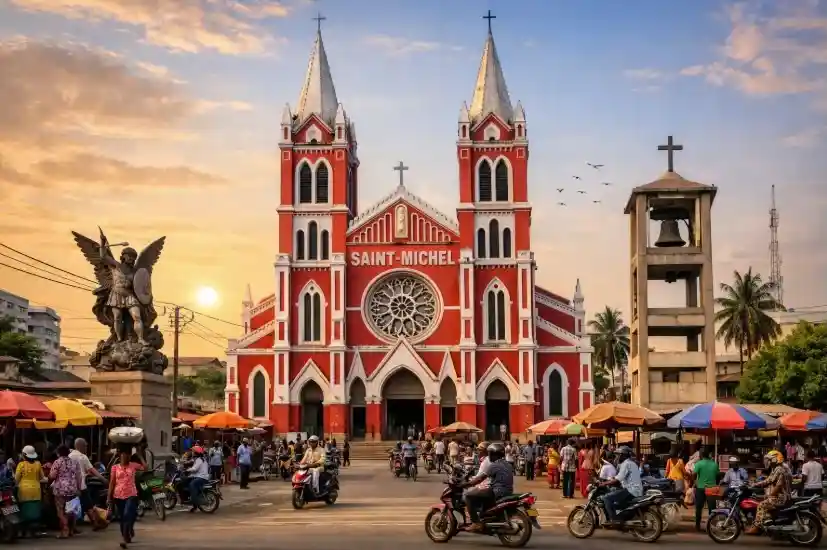
Saint Michel Church is one of the landmarks that helps travelers see another side of Cotonou beyond traffic, business activity, and market energy. Religious buildings often become accidental orientation points in unfamiliar cities, but some carry a stronger urban and symbolic presence than others. This church is notable because it functions both as a place of worship and as an element of the city’s public identity.
Its setting matters. Located in a busy part of Cotonou, the church sits within the flow of banks, institutions, vehicles, pedestrians, and commercial movement. That contrast between spiritual calm and civic intensity gives the site a special character. Travelers are not stepping into a completely separate world; they are seeing how a major religious site remains integrated into daily urban life.
For visitors interested in architecture, local gathering spaces, or the relationship between religion and public culture, Saint Michel adds depth to a Cotonou itinerary. It is also a useful destination for travelers who prefer varied days. A schedule that includes markets, waterfront atmosphere, and one or two landmark buildings tends to feel more balanced than one focused only on commerce.
On a content level, including Saint Michel Church helps expand this Benin travel blog beyond the most expected heritage themes. Benin is not only about slave-route memory or royal history. It is also about contemporary urban life, spiritual spaces, and the layered identities of the cities where visitors actually spend time.
Ouidah is one of the most significant places in Benin for travelers who want to engage with history in a serious and human way. The town is closely associated with the Atlantic slave trade, and the Door of No Return has become one of the country’s most recognized memorial landmarks. Yet the power of Ouidah does not come from symbolism alone. It comes from the experience of moving through a place where memory, spirituality, coastline, and public storytelling continue to shape the atmosphere.
The Door of No Return is often photographed against a wide coastal setting, but the emotional impact of the site goes far beyond visual composition. For many visitors, this is a place of quiet reflection rather than fast sightseeing. It invites pause. It invites historical imagination. It also invites humility because the site compresses enormous human suffering into a single final threshold facing the sea.
What makes Ouidah especially valuable for thoughtful travelers is that the town offers context around the memorial experience. You are not only visiting one monument. You are entering a wider cultural landscape shaped by religion, trade, memory, community, and coastal geography. That helps prevent the experience from becoming superficial. The setting asks travelers to stay longer, read more deeply, and move with respect.
In practical itinerary terms, Ouidah works well as a day trip from Cotonou or as an overnight stay for travelers who prefer a slower pace. Spending more time there usually improves the experience because it allows room for the museum, local conversation, quiet walking, and a more complete sense of place. Rushing in and out reduces Ouidah to a single photo stop, which misses much of what makes the town important.
For a rich Benin travel blog page, Ouidah supports a wide range of meaningful search phrases: Benin historical sites, Door of No Return Ouidah, Ouidah travel guide, Benin cultural tourism, and Benin heritage destinations. But the real goal is not to chase search terms mechanically. The goal is to write in a way that helps travelers understand why Ouidah should be approached with time, seriousness, and openness.

One of the reasons Ouidah remains such a compelling stop is that it does not tell only one story. The town is internationally known for memorial history, yet it is also deeply linked to vodun heritage and living spiritual practice. The Python Temple is one of the places where travelers begin to understand that Benin’s cultural identity cannot be reduced to a single narrative or a single chapter of the past.
For many visitors, the temple introduces both fascination and uncertainty. The presence of pythons, the role of local belief systems, and the ways guides explain symbolism can all challenge outside assumptions. That is exactly why the experience matters. Travel is most rewarding when it expands interpretation instead of simply confirming what a visitor already expects to see.
Approached respectfully, the temple visit can become one of the most memorable moments in Benin because it reveals a living relationship between belief, image, performance, and place. Visitors often discover that what initially feels unfamiliar becomes easier to understand when presented through patient explanation and direct observation rather than stereotype.
From a blog-writing perspective, this subject adds crucial variety. A strong Benin travel page should not present the country as only a destination of tragedy or only a destination of beaches. It should reflect the complexity of the cultural landscape. Ouidah does that especially well because its spiritual life, coastal setting, and historical importance overlap in ways that few places do.
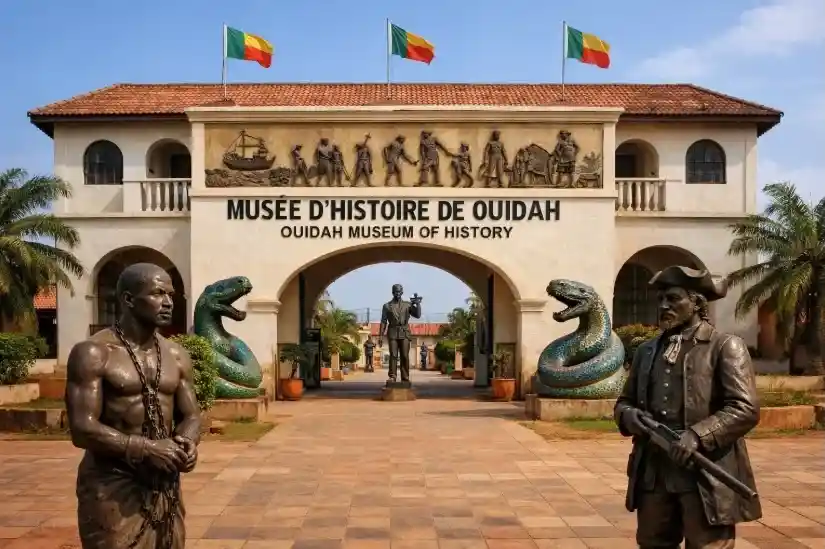
Travelers who want to understand Benin rather than simply pass through it should make time for museums, and Ouidah Museum of History is especially valuable because it adds narrative depth to what visitors encounter outdoors. Historical sites become far more meaningful when travelers also have access to interpretation, chronology, visual material, and explanation.
What makes museums useful in Benin is not just the objects on display. It is the framework they provide. A visitor who has already walked near memorial sites, coastal markers, or heritage buildings can use the museum experience to connect emotion with context. That creates a more complete understanding and often leaves a stronger impression than either experience would alone.
In practical travel writing, museums also help balance itineraries. Not every traveler wants a full day of crowded streets or intense sunlight. Museum stops introduce indoor rhythm, slower pacing, and reflective learning. They are especially effective in long-form Benin itineraries because they deepen what would otherwise remain surface-level sightseeing.
For this page, including the museum also supports search relevance for Benin history, Ouidah museum, Benin cultural attractions, and educational travel in West Africa. Just as important, it reinforces a core message: Benin rewards travelers who look for interpretation, not just visuals.

One of the easiest mistakes in travel planning is designing a trip that is intellectually rich but physically exhausting. Benin’s coastal spaces help solve that problem. Areas such as Fidjrosse and other beach zones near Cotonou give travelers a way to unwind after markets, museums, and emotionally heavy heritage visits. They also show that Benin tourism includes leisure and atmosphere, not only reflection and research.
Beach experiences in Benin are often less about polished resort isolation and more about social life, fresh air, local rhythm, and open space. Depending on the day and season, a coastal stop can feel calm and restorative or lively and event-driven. That flexibility is part of the appeal. Visitors can use the coastline for a sunset walk, a meal, a break between city stops, or a weekend-style reset.
Travel writers should not underestimate how important these lighter moments are. A stronger itinerary is one that respects emotional pacing. After a morning of history or a dense market visit, open sand and sea air can provide exactly the contrast that keeps the entire trip feeling enjoyable rather than overloaded.
Including coastal content also widens the page’s usefulness for travelers who search more broadly for Benin beaches, Benin weekend escapes, things to do in Cotonou, or where to relax in southern Benin. Benin travel blog page comes from answering real variations of traveler intent, and beach content is one of those useful variations.
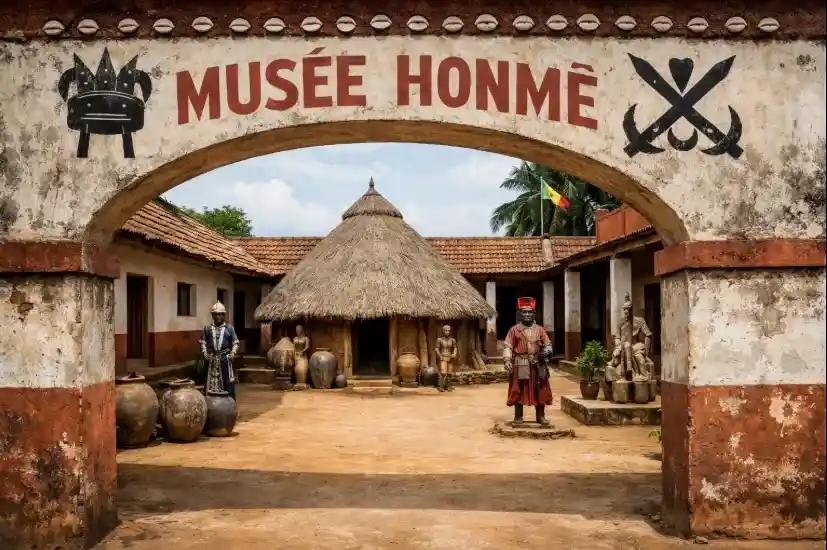
Porto-Novo often enters travel conversations more quietly than Cotonou or Ouidah, yet that quieter reputation is part of its value. Travelers who spend time there often discover a different rhythm of exploration, one that emphasizes architecture, memory, museums, and layered local identity. The city feels less like a commercial gateway and more like a place for attentive discovery.
Musée Honmè contributes to that atmosphere by giving visitors a structured way to engage with history and culture. Museums in capital cities often play a dual role: they preserve the past while also framing how a country presents itself to outsiders. In Porto-Novo, that role is especially meaningful because the city invites a slower and more interpretive style of tourism.
The traveler experience here is often shaped by guides, storytelling, and the sense that history is being transmitted rather than merely displayed. That matters. A museum visit is always stronger when the human explanation is warm, memorable, and rooted in pride. Travelers who appreciate learning through local voices usually find Porto-Novo especially rewarding.
From an itinerary perspective, Porto-Novo works well for visitors who want to enrich their understanding of Benin beyond the most famous destinations. It can also help a trip feel more balanced because it introduces a capital-city perspective without repeating the commercial energy of Cotonou. In long-form content, Porto-Novo strengthens the message that Benin travel is varied, nuanced, and well suited to travelers who prefer depth over speed.
Ecotourism in Benin gives travelers another way to understand the country beyond city landmarks and formal historical sites. Organizations and local operators connected to nature-based travel often help visitors access landscapes, communities, and slower forms of movement that would be difficult to organize independently. That kind of tourism also changes the texture of a trip. It introduces air, distance, and a different relationship to time.
Nature and ecotourism experiences can be especially valuable after intense urban or heritage-focused days. They shift attention toward water, vegetation, village rhythms, and the practical realities of place-based livelihoods. For many travelers, those experiences are what make a trip feel rounded rather than segmented. History gives meaning, but landscape gives breathing space.
Another advantage of ecotourism content is that it broadens how Benin is represented online. Too often, destination pages become repetitive because they focus on only the most famous names. Bringing in eco-focused travel ideas creates more originality, more semantic breadth, and more useful reading for people who are planning longer stays or more experience-driven itineraries.
For Benin travel blog purposes, sections like this support related searches around Benin ecotourism, sustainable travel in Benin, nature activities in Benin, and travel experiences beyond the main cities. But for readers, the deeper value is simple: Benin can be read not only through monuments, but through environment and everyday relationship to land and water.
Lake Aheme introduces yet another dimension to Benin travel. Water landscapes have a different emotional register from cities and memorial sites. They slow the eye, soften the schedule, and invite a more observational kind of travel. For visitors who want an itinerary that does not feel crowded from start to finish, lakeside destinations can be a smart and satisfying inclusion.
Southern Benin benefits from this kind of landscape variety because it helps connect villages, local economies, and visual calm in one experience. A lake is never only a scenic surface. It is also a source of livelihood, movement, memory, and local identity. Travelers who spend time near water often gain a better understanding of how geography shapes communities.
In a long-form blog page, Lake Aheme is important because it expands the emotional range of the guide. Not every paragraph should carry the same weight. Some sections should inform, some should inspire, and some should help readers imagine quietness. Lakeside content does exactly that while also improving topical breadth for searches related to Benin nature, southern Benin attractions, and scenic places in Benin.
Travelers building a route that includes Cotonou, Ouidah, and Porto-Novo may find that a water-based stop completes the journey by introducing a gentler final note. It is the kind of destination that pairs well with slower mornings, photography, reflective travel, and community-focused exploration.
A well-designed Benin itinerary usually works best when it is built around contrast and flow. Travelers often arrive through Cotonou, which makes sense as an entry point because it offers transport connections, accommodation choices, and immediate access to urban life. From there, the route becomes more enjoyable when it alternates intensity and atmosphere rather than repeating the same kind of day over and over again.
One of the most practical structures is to begin with Cotonou for arrival, orientation, and one or two city experiences such as Dantokpa Market or a major landmark. After that, Ouidah introduces historical and spiritual depth. Porto-Novo adds museum-based and capital-city culture. A final stop near the coast, a lake, or an ecotourism location gives the trip a softer landing before departure.
Short trips of three to four days usually require discipline. Travelers should choose fewer stops and allow enough room for transit, rest, and unplanned delays. Longer trips of one week or more create space for more reflective travel, which is often the better match for Benin. The country tends to reward patience. Visitors who move too fast may see the names on the map without really understanding the places.
Another important principle is to mix the emotional tone of the itinerary. A day focused on memorial history can be powerful, but travelers often appreciate having a market, beach, or lighter food-and-neighborhood experience alongside it. The same is true in reverse. If every day is built around leisure, the destination’s historical depth may be missed. Balance creates memory.
Transport planning also matters. The smartest itineraries are not always the most ambitious. They are the ones that respect local realities, daylight, rest, and the value of actually arriving somewhere with enough energy to enjoy it. A Benin itinerary should feel coherent, not crowded.
Destination writing becomes stronger when it remembers that travel is not only about major attractions. It is also about texture. In Benin, that texture often appears in the spaces between the headline stops: roadside food, everyday conversation, neighborhood movement, music, transport waits, sea air, fabric color, market rhythm, and the visible overlap between formal and informal city life.
For many travelers, those details become the strongest memories because they are not staged. They are part of the living environment. This is especially true in West African travel, where social presence is often a major part of the experience. A place can stay with you because of a greeting, an explanation from a guide, a shared table, or the mood of a street at a certain hour.
That is why planning matters so much. When documents, arrival logistics, and accommodation are already organized, travelers have more mental room to notice these smaller details. Good preparation increases presence. It allows the trip to be felt rather than merely managed.
From Benin travel blog page and engagement perspective, this kind of writing also keeps the page from sounding generic. Readers stay longer when the copy sounds lived-in, descriptive, and specific without becoming repetitive. That is especially important for a page targeting rich search traffic around Benin travel blog and Benin tourist destinations.
Yes. Benin is especially appealing to travelers who value heritage, storytelling, museums, spirituality, local markets, and destinations with strong historical identity. It is often more rewarding for culturally curious visitors than for travelers looking only for conventional resort tourism.
A short visit can cover key locations in the south, but a longer stay gives much better results. At least several days are useful for combining Cotonou, Ouidah, and one or two additional stops without constant rushing.
Because destination understanding improves trip planning. Travelers who know where they want to go, how long they want to stay, and how their route will work tend to prepare more effectively. Visa planning and destination planning are strongest when they support each other.
Cotonou and Ouidah are often the most accessible starting points for a first visit. Porto-Novo and lake or ecotourism stops are ideal additions for travelers who want a broader and more original itinerary.
Benin stands out because it combines memorial history, spiritual heritage, city markets, museums, and coastal atmosphere within a relatively connected travel space. The experience often feels layered, thoughtful, and human rather than overly packaged.
Internal links are useful both for readers and for search visibility. They help visitors move from inspiration into more specific questions about cost, policy, requirements, health forms, tourist visas, and entry points. They also strengthen the topical relationship between the blog and core visa pages across the site.
Read the main requirements page to understand what travelers should organize before departure.
Explore the online visa process and align your destination plans with document planning.
Compare fee-related information while deciding the right entry option for your trip length.
Pair destination research with current travel update pages before finalizing your booking timeline.
Review arrival-related information alongside the online application pathway and entry expectations.
Useful for travelers mapping arrival airports, borders, and route logistics within a broader itinerary.
Benin is a destination that becomes more impressive the more intentionally it is approached. It is not only a place to tick off major attractions. It is a place to read through memory, movement, architecture, religion, food, and landscape. That makes it ideal for travelers who appreciate journeys with emotional and cultural texture.
This page was built to function as both a Benin travel blog and a useful Benin eVisa online guide. The combination matters because travelers rarely separate inspiration from practical planning. They want to know where to go, why it matters, and how to prepare without confusion. When a destination page can answer all three, it becomes more valuable to both search engines and real readers.
If your travel style is curious, observant, and open to places that communicate through history as much as through scenery, Benin can be an exceptionally rewarding destination. Start with a clear route, give each stop enough time, prepare your documents early, and let the trip unfold with the kind of patience that meaningful travel deserves.